Whenua Tira
Stage 2
Rātā helped Māori landowners assess whether the ETS was right for their whenua. Where they chose to proceed, we supported registration and ongoing management.
Scroll to explore
Challenge
Turning identified potential into a practical pathway
Whenua Tira Stage 1 identified significant areas of regenerating indigenous forest across Māori-owned whenua that could warrant further investigation for participation in the New Zealand Emissions Trading Scheme (ETS). Rātā was one of several service providers involved in that earlier stage.
Stage 2 addressed the next challenge: helping landowners determine whether ETS participation was appropriate for their whenua and, where it was, supporting them to progress.
That required more than identifying potential forest. ETS participation involves technical assessment, financial considerations, governance decisions, regulatory requirements and long-term obligations.
For some entities, changing trustees, incomplete historical information or administrative requirements added further complexity.
Landowners needed enough information to understand both the opportunity and the commitment before deciding whether to proceed.
The challenge for Stage 2 was therefore to turn identified potential into an achievable pathway, while keeping informed landowner choice at the centre of each decision.

Solution
From assessment through to implementation
Contracted directly by MPI for Stage 2, Rātā worked with participating Māori land entities to assess potential ETS opportunities and help landowners understand what participation could mean for their whenua.
Each assessment brought together three key areas:
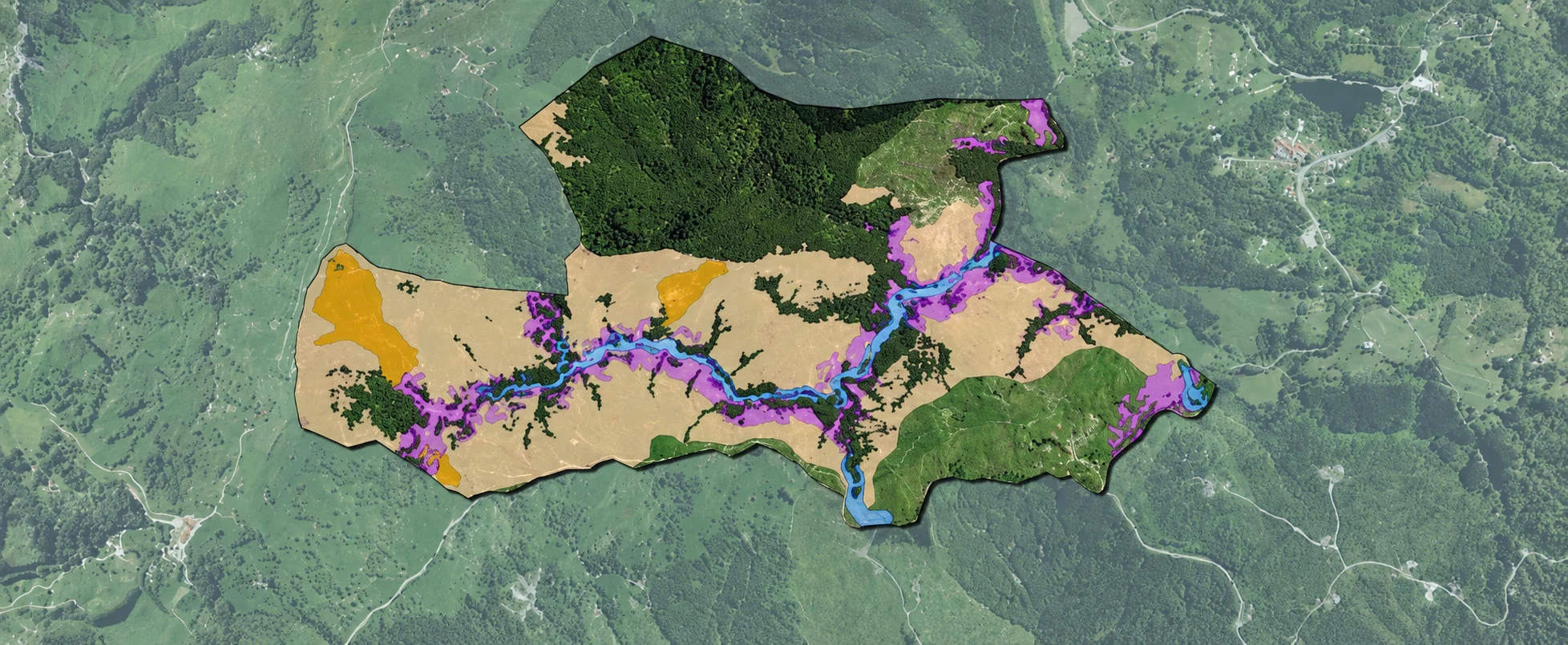
- Spatial assessment and mapping to identify areas of forest potentially eligible for ETS registration.
- Financial modelling to understand the potential value associated with those areas.
- ETS obligations and risk so trustees and landowners could understand the regulatory responsibilities and long-term implications of participation.
Together, this provided a clearer basis for governance groups to decide whether ETS participation was right for them.
Registration was not the measure of success for every property. In some cases, the potential area or financial return did not justify proceeding. In others, landowners decided the ETS was not appropriate for their whenua after considering the obligations and long-term implications.
Where landowners chose to proceed, Rātā provided technical and administrative support through the registration process, including refining potential areas, preparing spatial information, supporting governance documentation and preparing applications for MPI assessment.
MPI retained responsibility for determining ETS eligibility and the area ultimately approved for registration.
For participating entities, Rātā’s support also extended into emissions returns, NZU calculations and ongoing ETS management, helping move the project from identifying potential into practical implementation.

Impact
From identified opportunity to measurable value
Whenua Tira Stage 2 demonstrates what can happen when targeted investment is combined with technical capability and informed landowner decision-making.
Project outcomes include:
- 58 Māori land entities engaged
- 51 ETS assessments completed
- 35 blocks progressed to registration
- 2,220 hectares submitted for registration
- 1,666 hectares approved by MPI
- 47,839 NZUs claimed through the 2025 emissions return
- $2.63 million in value generated to date*
- $5.77 million in projected value over the current five-year ETS period*
*Values as of 4 November 2026.
The value of the programme extends beyond registration and NZUs.
Stage 2 gave participating Māori land entities the information needed to understand the potential value, risks and responsibilities associated with the ETS and make their own decisions about whether to participate.
Where participation was appropriate, regenerating indigenous forest could become a source of long-term value while remaining part of a wider approach to managing and protecting the whenua.
Just as importantly, Stage 2 built practical capability, systems and relationships that can support the next phase of Whenua Tira and future land-use opportunities.
The project shows a pathway from public investment and technical assessment to informed landowner decisions, practical implementation and measurable outcomes for Māori-owned whenua.
Project outcomes