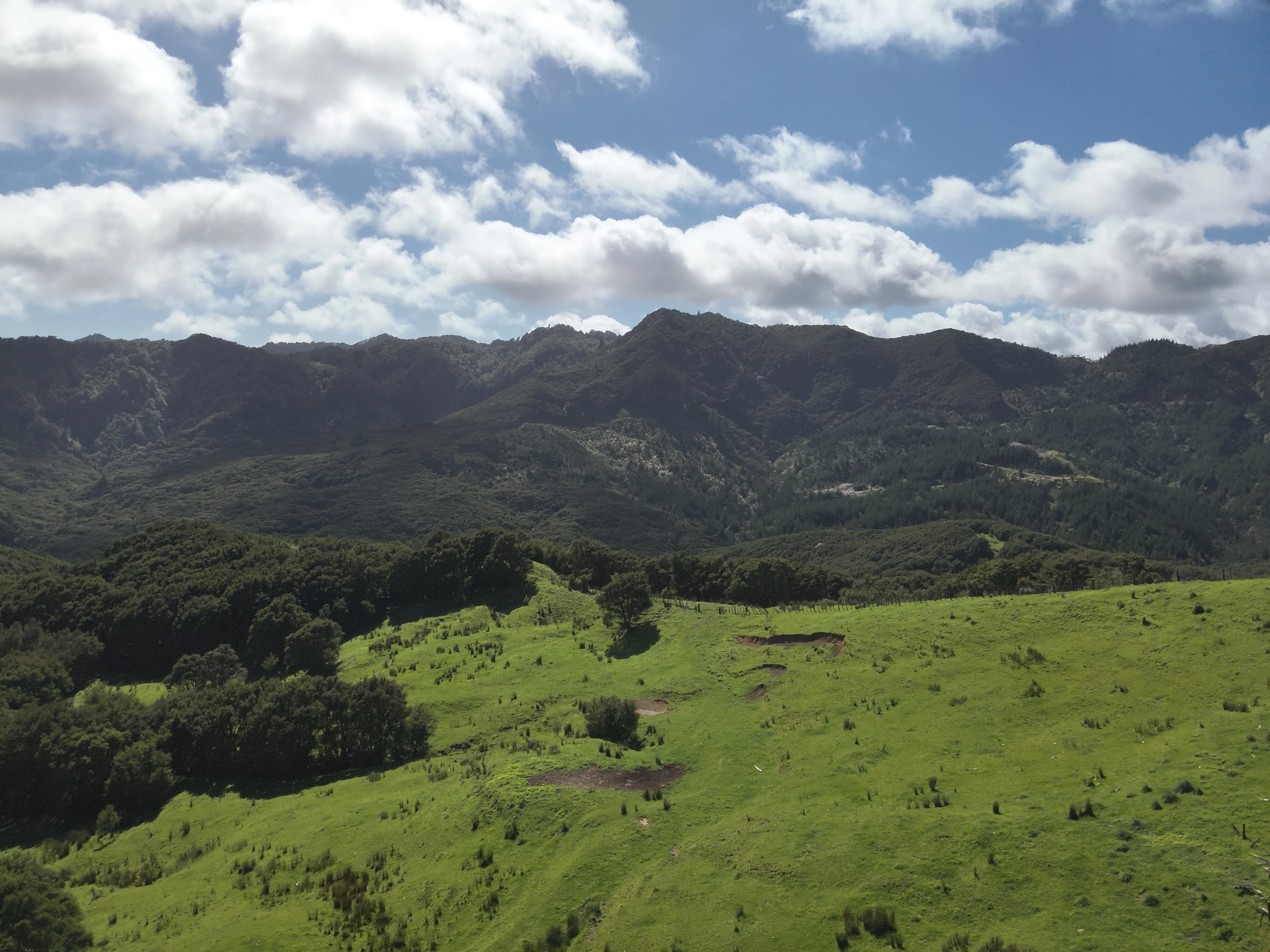
Whenua Tira - Stage 1
Better information. Stronger capability. More confident decisions about whenua.
Whenua Tira brought Māori landowners, farm teams and specialist support together to recover from Cyclone Gabrielle and look ahead to stronger, more resilient whenua.
Scroll to explore
Challenge
Recovering from Gabrielle, planning for the whenua
Cyclone Gabrielle created immediate challenges across Māori farms in Te Tairāwhiti and Te Matau a Māui, from damaged access, fencing and infrastructure to forestry and environmental impacts.
But recovery wasn't the only issue.
Landowners and farm teams were already busy managing complex businesses, while also making long-term decisions about land use, resilience and investment. Whenua Tira recognised that recovery needed to build capability as well as repair damage, with MPI funding enabling targeted support for 30 cyclone-affected Māori agribusinesses.
The challenge was to give landowners useful information and access to the right expertise, while keeping them at the centre of the decisions.

Solution
Making maps useful for decisions about whenua
Whenua Tira combined wānanga, mentoring and practical farm support with specialist technical advice.
Rather than starting with a predetermined solution, the approach started with the whenua and its owners: what mattered to them, what challenges they faced and what opportunities they wanted to explore.
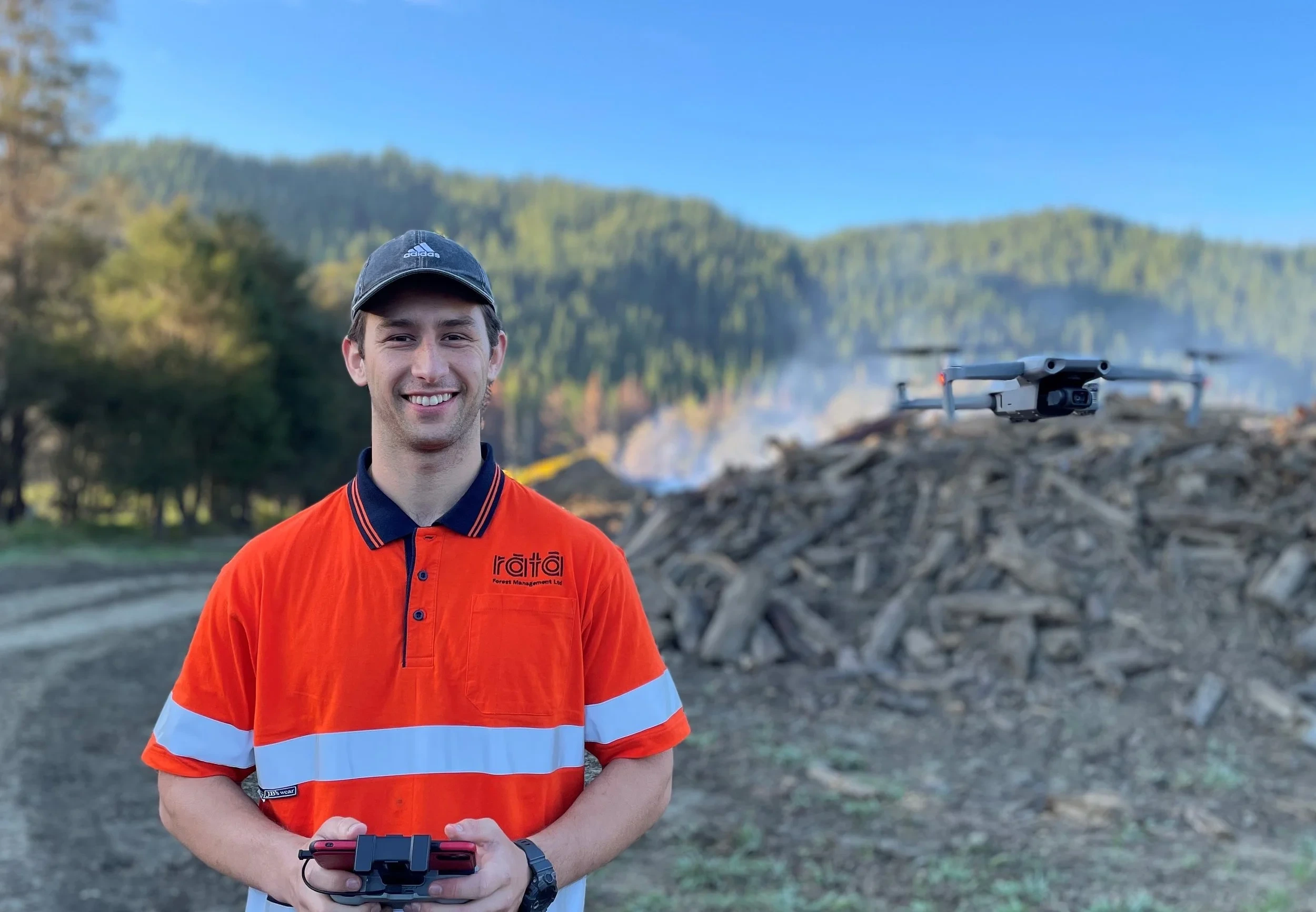
Rātā worked as one of the programme's technical service providers, bringing together forestry, GIS and land-use expertise to help landowners understand their options.
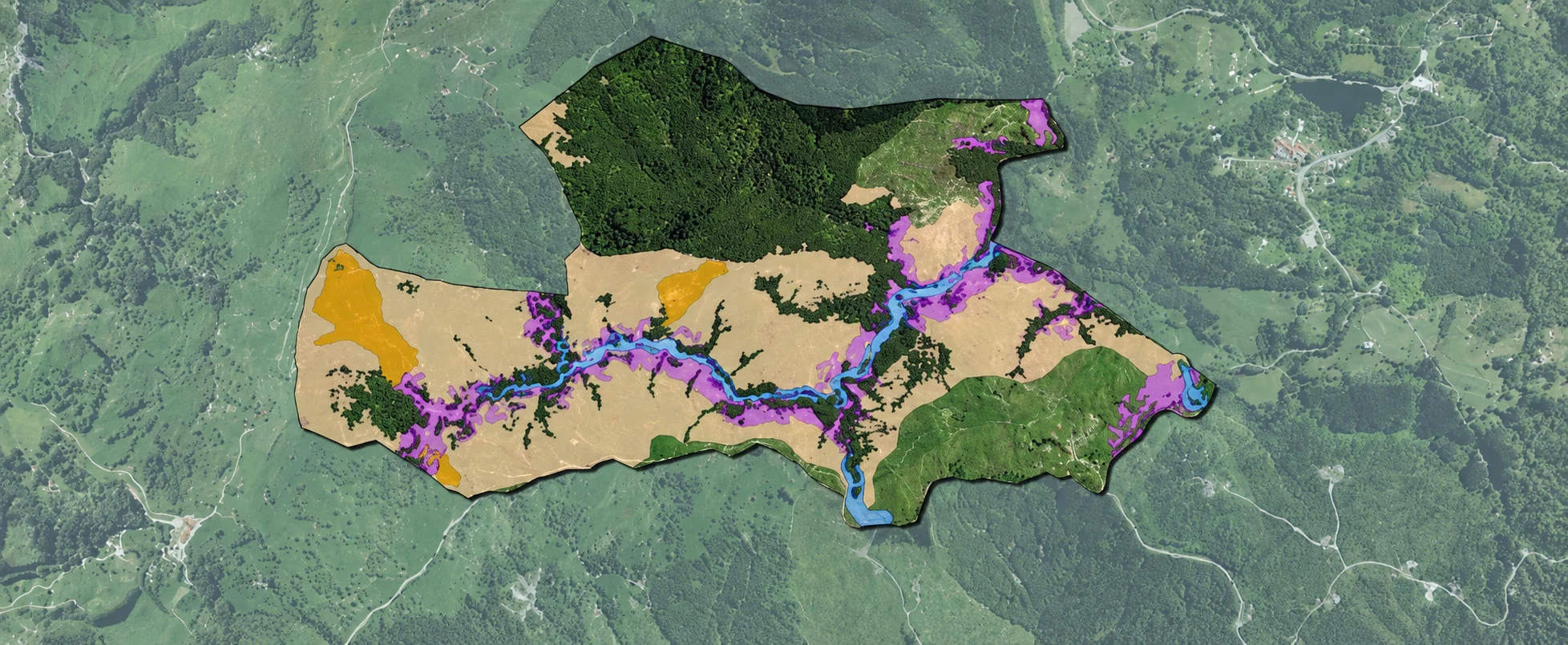
Our work included mapping, farm and forestry assessments, ETS analysis, wāhi tapu mapping and technical planning. Rātā completed ETS and wāhi tapu mapping across the 30 participating farms.
The value wasn't simply producing another map or report. It was turning information into something landowners could use to compare options, understand trade-offs and make informed decisions about their whenua.

Impact
Clearer options, with landowners at the centre
Whenua Tira demonstrated what can be achieved when landowner knowledge is combined with targeted investment, local capability and good technical information.
Whānau gained clearer information about recovery priorities, forestry, ETS and future land-use opportunities. ETS analysis also helped identify potential new income and investment pathways.
For Rātā, the project reinforced an approach that continues to shape how we work: understand the whenua, bring the right information together, and help landowners turn that knowledge into practical decisions and action.
With MPI investment helping make that support possible, Whenua Tira created value beyond the immediate cyclone response.
Most importantly, landowners remained where they should be: at the centre of deciding what happens next on their whenua.