Large Woody Debris Extraction | Te Arai
Large woody debris extraction following Cyclone Gabrielle
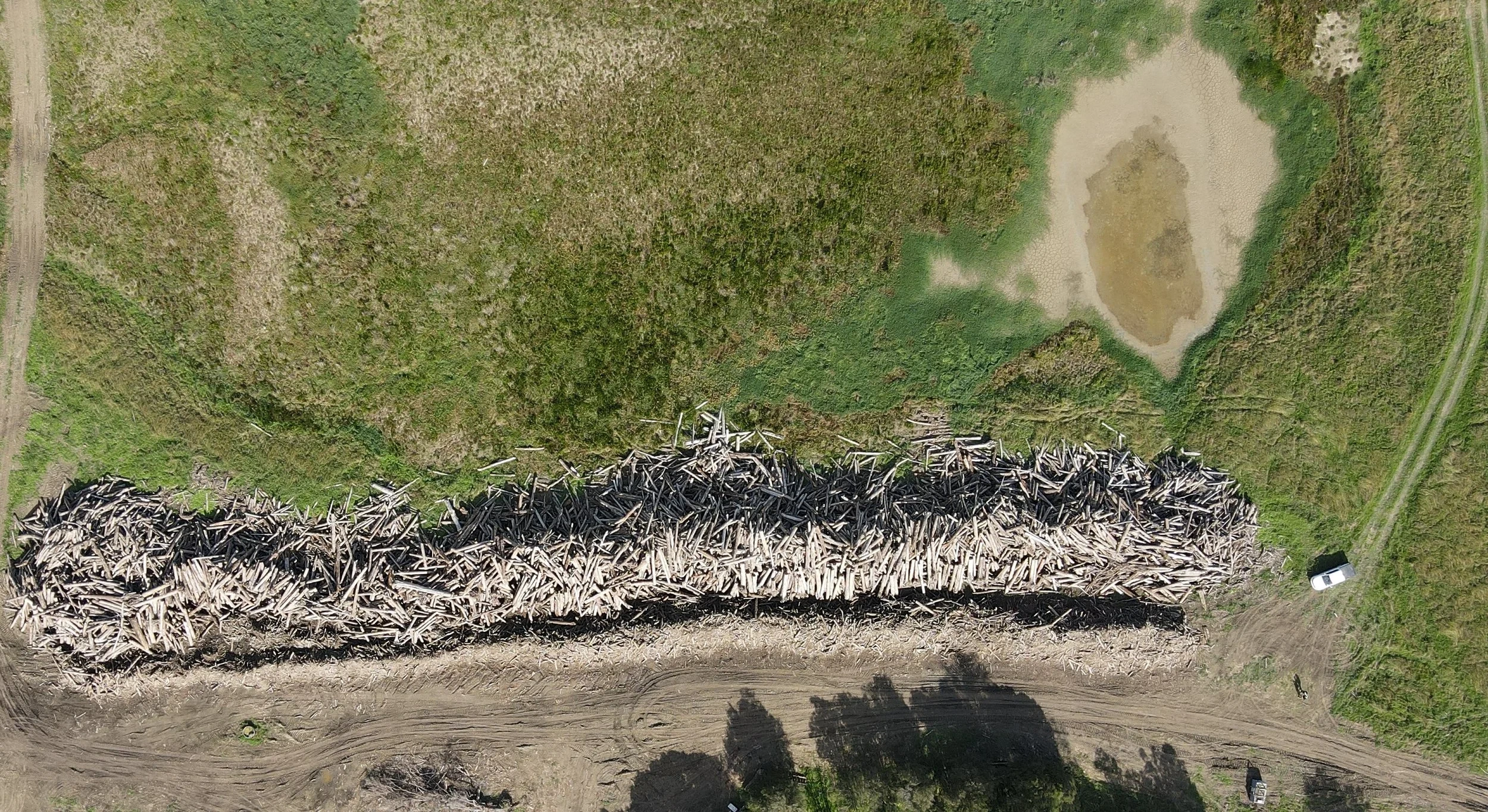
Following Cyclone Gabrielle, Rātā combined remote sensing, forest engineering and coordinated extraction to address large woody debris along the Te Arai River. The work spanned more than 60 landowner titles, with iwi participation and support fundamental to the project.
Scroll to explore
Challenge
Cyclone debris threatened a river and a city’s water supply
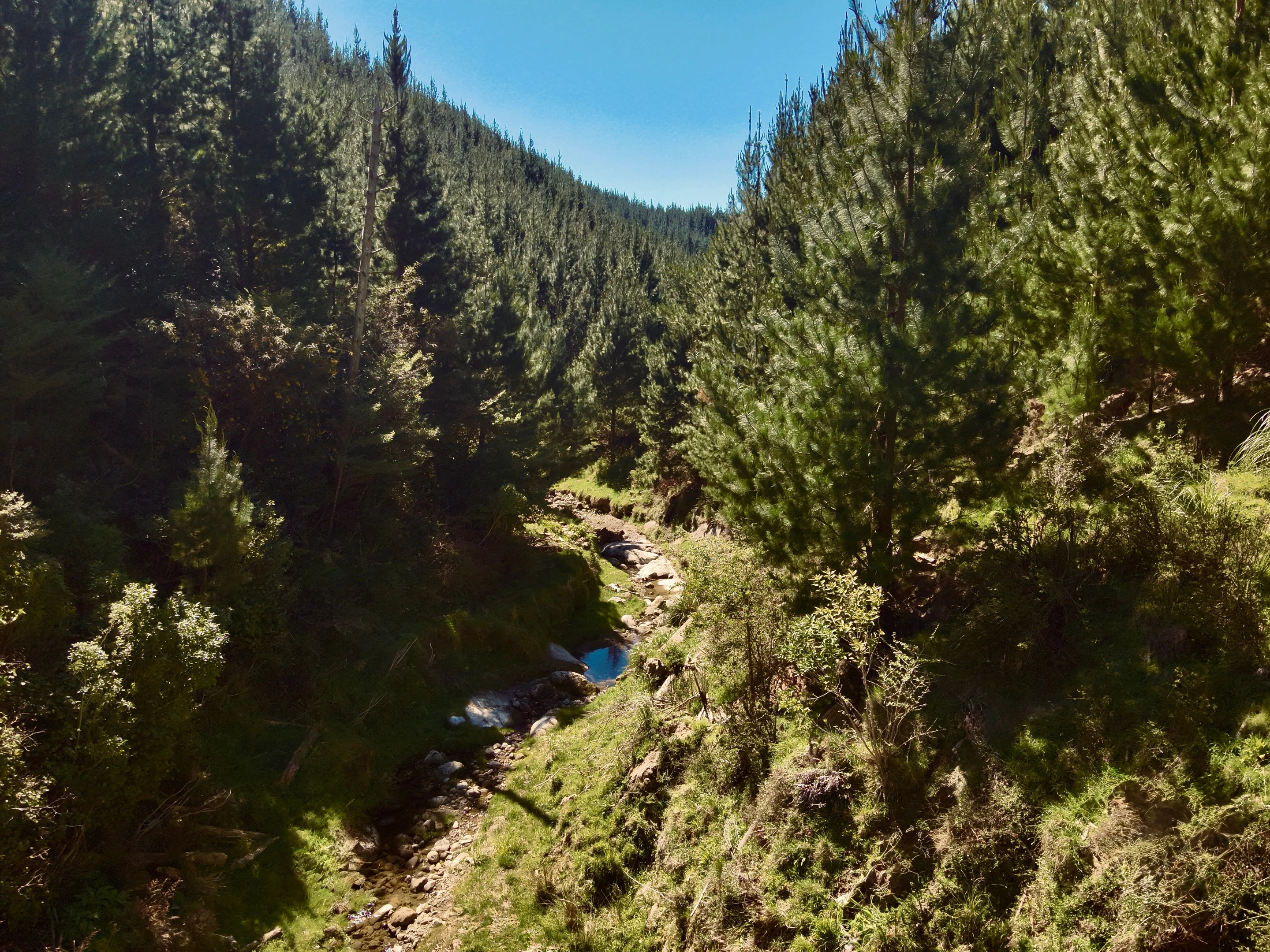
Large woody debris (LWD) mobilised during Cyclone Gabrielle and deposited along the Te Arai River flood terraces and stream banks posed a serious threat to the safety of residents, infrastructure and the city’s main water supply.

Solution
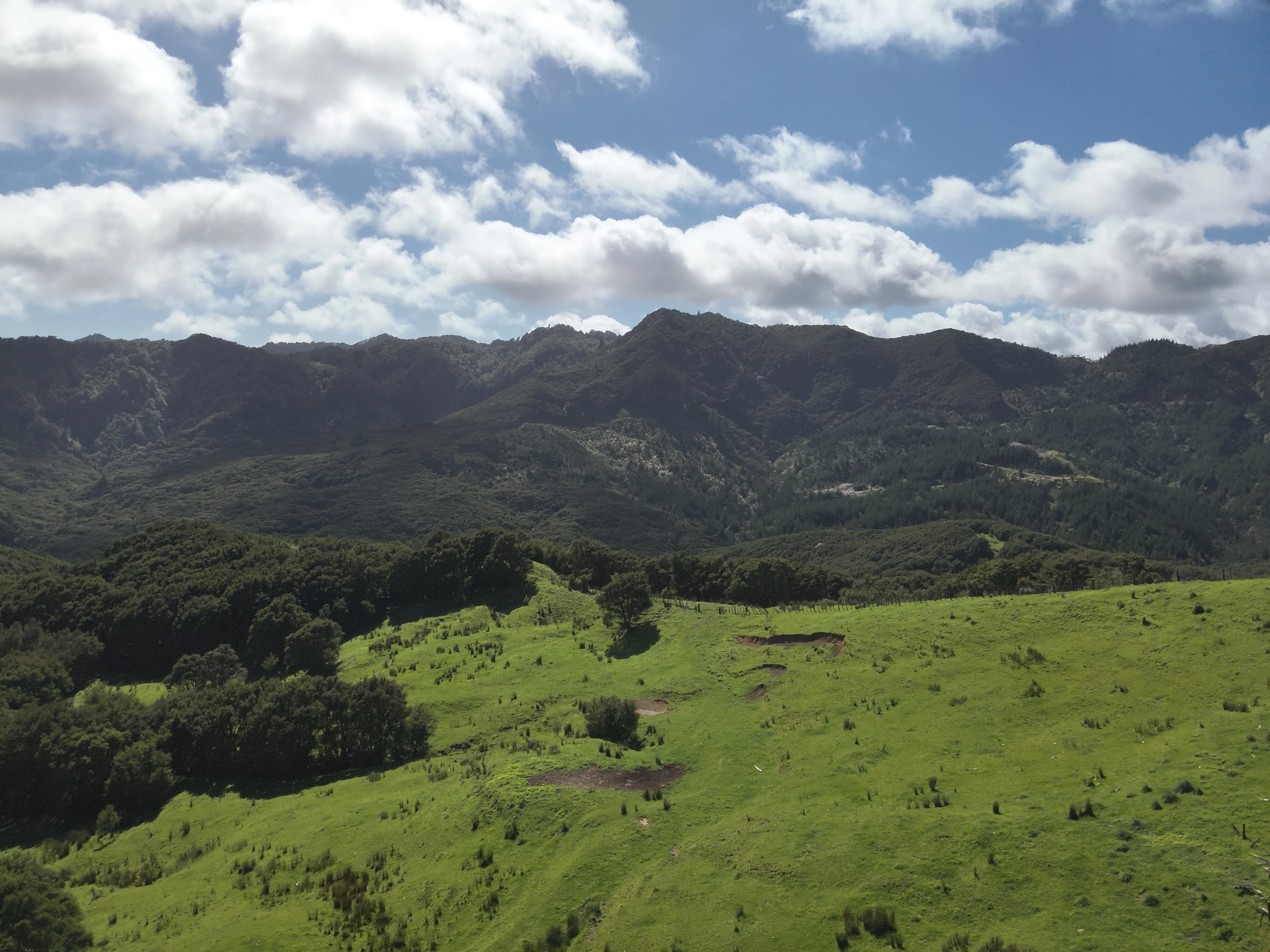
Planning extraction across more than 60 landowner titles
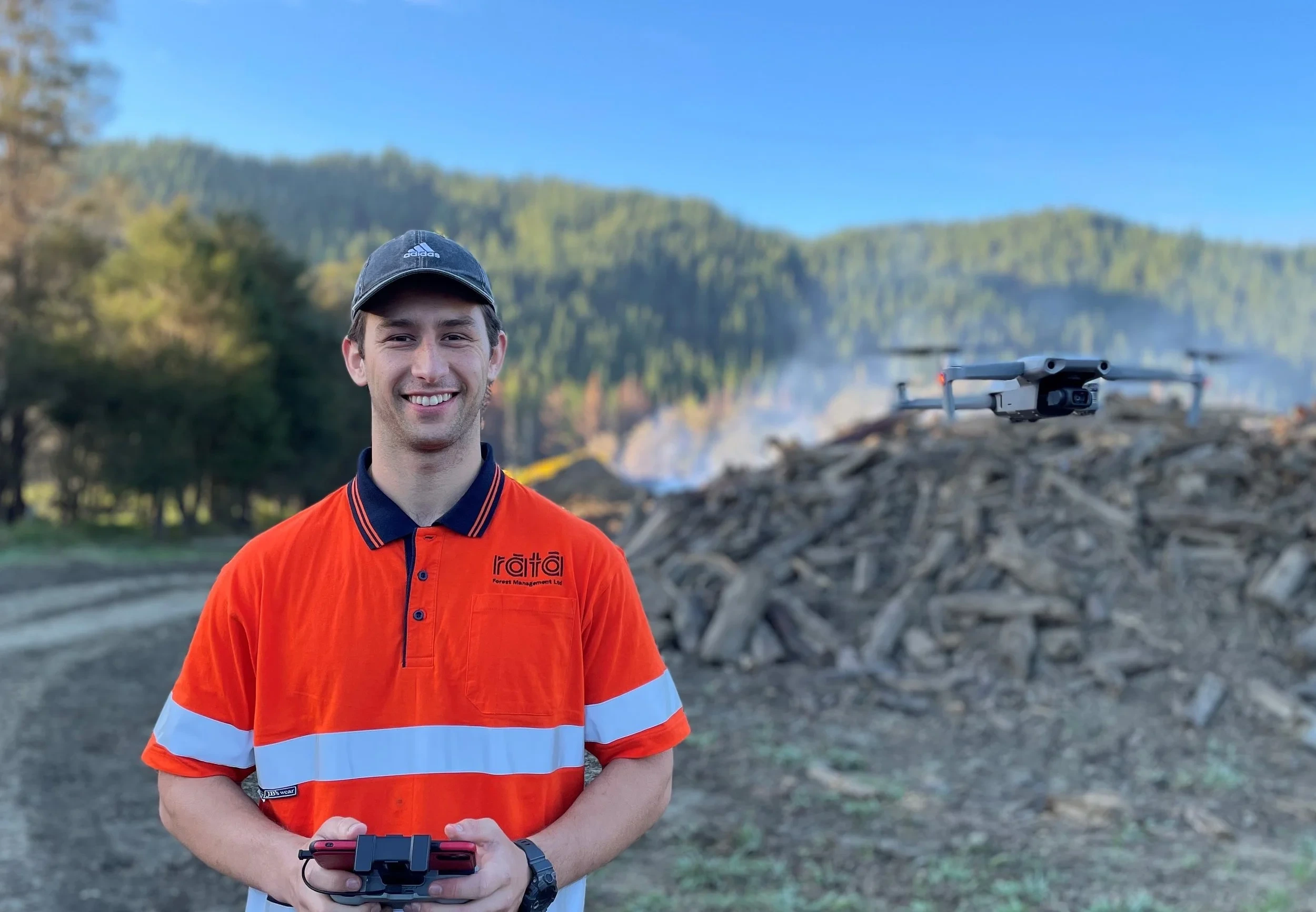
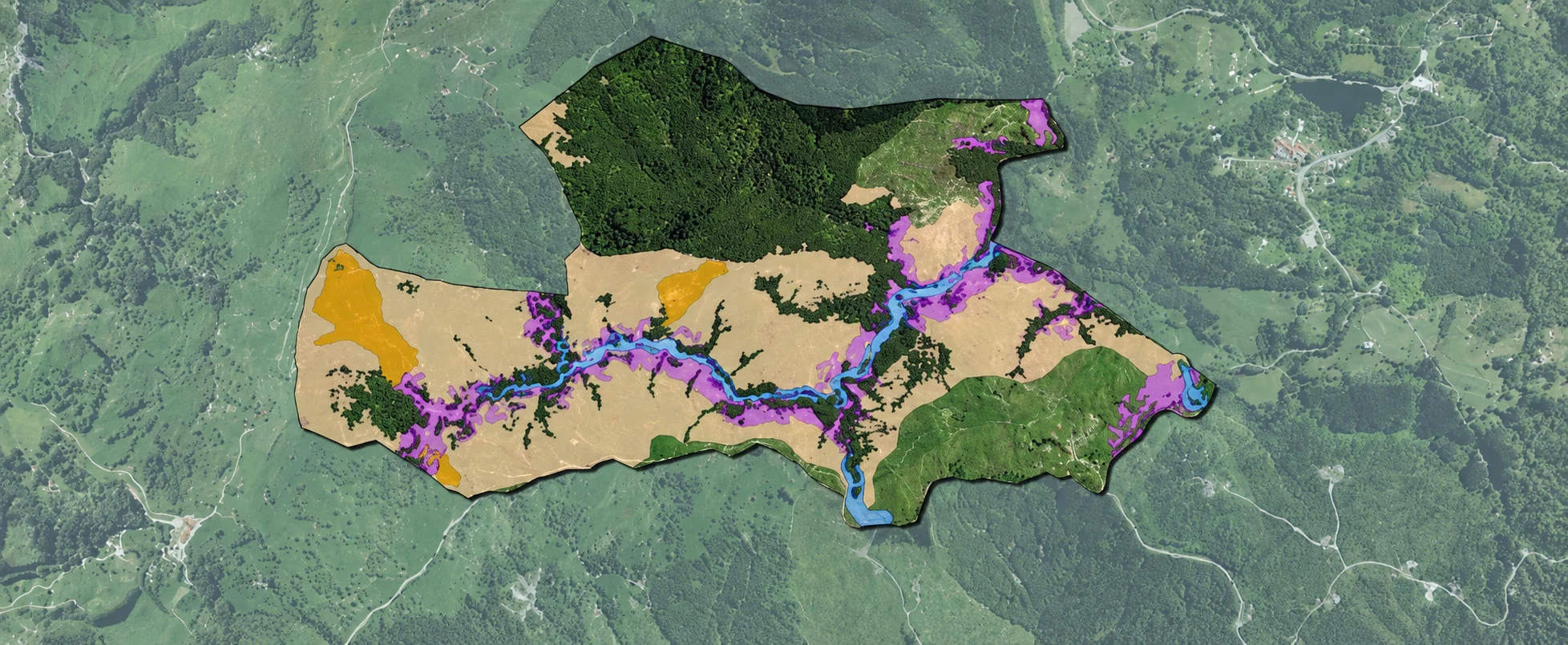
The project tackled this challenge first by locating the LWD material for removal using remote sensing technology and using forest engineering formulae to calculate volume. We then developed a comprehensive extraction plan and cost model. The project crossed over 60 landowner titles, which required communication and collaboration to ensure an efficient and safe removal operation without compromising the landowners’ income-earning ability across their varied land uses. Iwi participation and support were fundamental to the success of the project, the Te Arai River being the sacred awa for Rongowhakaata and passing three of their marae. Rātā employed a harvest line extraction system to extract the LWD with the least environmental footprint. The extracted LWD material was burnt with Rātā’s high-oxygen burn unit.

Impact
Reducing debris risk and opening a path to river restoration
Rātā coordinated the clearance of 63.6 km of river and removal of 89,452 m³ of large woody debris, reducing risk to whenua, communities, infrastructure and Gisborne’s water supply. Funding enabled this scale of intervention, with landowners shaping work on their properties. Rātā brought together spatial, engineering and operational expertise to deliver across varied land uses and the requirements of landowners, iwi and marae.